In recent years, the fashion industry has placed a greater emphasis on sustainability. Vintage clothing has become a prominent part of this movement, as more people become aware of the negative environmental impact of fast fashion. With its rich history and timeless style, vintage clothing offers a solution for those who want to reduce their environmental impact while still looking stylish. This growing demand for vintage fashion reflects a broader shift in consumer values and a response to larger issues affecting our planet.
Understanding the Environmental Consequences of Fast Fashion
Fast fashion refers to the rapid production of inexpensive clothing, which is often based on the latest runway trends. The problem with fast fashion is its disposable nature—clothes are made cheaply and designed to be worn for a short time before being replaced by the next trend. This creates a cycle of excessive consumption that has significant environmental consequences.The fashion industry is responsible for about 10% of global carbon emissions, more than the aviation and maritime industries combined.
One of the major environmental concerns with fast fashion is the massive amount of waste it creates. Millions of tons of clothes end up in landfills every year, contributing to pollution and environmental deterioration.Many of the synthetic fibers used in fast fashion, such as polyester, take hundreds of years to break down, releasing harmful chemicals and microplastics into the environment. Furthermore, the production of new garments requires vast amounts of water, energy, and raw materials, all of which strain the planet’s resources.
In contrast, vintage clothing represents a sustainable alternative to fast fashion. By reusing and recycling garments from the past, vintage fashion helps reduce the demand for new production, thereby minimizing the environmental damage associated with clothing manufacturing. The popularity of vintage fashion is a reflection of the growing awareness of these issues and the desire for more sustainable solutions.

The Role of Vintage Fashion in Reducing Textile Waste
One of the most significant ways in which vintage clothing contributes to sustainability is by reducing textile waste. When consumers choose to buy pre-owned garments, they are extending the life cycle of those items and preventing them from ending up in landfills. This practice directly counters the wasteful habits encouraged by fast fashion, where garments are often discarded after only a few wears.
By embracing vintage fashion, consumers can significantly reduce their environmental impact. Instead of buying new clothes that contribute to the growing waste problem, they are opting for garments that already exist and have stood the test of time. This approach to fashion not only helps keep clothing out of landfills but also curbs the need for new production, which is often resource-intensive and environmentally harmful.
The environmental benefits of vintage clothing go beyond waste reduction. By choosing vintage, consumers help promote a circular economy in fashion—an economy where resources are reused and recycled rather than wasted. This shift away from the traditional linear model of "take, make, dispose" is essential for creating a more sustainable fashion industry. Vintage clothing plays a key role in this movement by offering a stylish, eco-friendly alternative to fast fashion.
Vintage Fashion and Resource Conservation
Another critical aspect of sustainability in the fashion industry is resource conservation. The production of new clothing consumes vast amounts of resources, including water, energy, and raw materials. For example, it takes approximately 2,700 liters of water to produce a single cotton T-shirt—enough water for one person to drink for over two years. The textile industry is also a significant contributor to water pollution, as harmful chemicals from dyes and treatments often end up in rivers and oceans.
Vintage fashion offers a way to conserve these precious resources by making use of existing garments rather than producing new ones. When consumers buy vintage clothing, they are essentially recycling, as they are giving new life to clothes that were made decades ago. This practice helps reduce the demand for raw materials and the energy required to produce new garments, making vintage fashion a more sustainable choice.
In addition to conserving resources, vintage clothing tends to be of higher quality than many fast-fashion items. Garments from previous decades were often made from durable materials and constructed with attention to detail, ensuring that they last for years. By choosing vintage, consumers are not only investing in pieces that have already proven their durability but are also making a conscious choice to avoid the cheap, short-lived products of fast fashion.
The Appeal of Timeless Fashion
The environmental benefits of vintage clothing are clear, but its popularity is also driven by its timeless appeal. Vintage fashion offers unique, one-of-a-kind pieces that allow consumers to express their individuality. Unlike the homogeneity of fast fashion, where millions of identical garments are produced, vintage clothing provides a sense of exclusivity. Each piece has a history, a story, and a charm that mass-produced items simply cannot replicate.
By choosing vintage, consumers are not only making a sustainable choice but are also investing in fashion that never goes out of style. Vintage pieces often feature classic designs, high-quality materials, and timeless silhouettes that remain fashionable across generations. In this sense, vintage clothing is the opposite of fast fashion, which is characterized by fleeting trends and disposable garments. The timeless nature of vintage fashion ensures that these pieces will continue to be cherished and worn for years to come, further reducing the need for new production.
Vintage Fashion and the Circular Fashion Movement
The vintage clothing movement is a key part of a broader shift toward more sustainable and ethical fashion practices. As concerns about the fashion industry’s environmental impact continue to grow, consumers and designers alike are embracing the concept of circular fashion. Unlike traditional fashion models, which are linear and based on the constant production of new items, circular fashion prioritizes recycling, reusing, and repurposing garments. Vintage fashion fits seamlessly into this philosophy, offering a sustainable and stylish solution to the wasteful practices of fast fashion.
What Is Circular Fashion?
Circular fashion is built around the idea of extending the life cycle of clothing, ensuring that garments are worn and loved for as long as possible before they are recycled or repurposed. This concept stands in direct contrast to the fast fashion model, where clothing is produced cheaply, worn for a short period, and then discarded. In a circular fashion economy, resources are used more efficiently, and waste is minimized by keeping garments in circulation rather than sending them to landfills.
Vintage clothing is a perfect example of circular fashion in action. By purchasing vintage items, consumers are contributing to a closed-loop system where garments are reused rather than thrown away. This helps reduce the need for new clothing production, which often involves resource-intensive processes such as water consumption, chemical use, and carbon emissions. In essence, vintage fashion gives garments a second (or third) life, preventing them from becoming waste and reducing the environmental impact of the fashion industry.
The circular fashion movement also encourages consumers to rethink their purchasing habits. Instead of constantly buying new items, people are encouraged to invest in high-quality, timeless pieces that can be worn for many years. Vintage clothing, with its durability and classic designs, fits this mindset perfectly. Each vintage item has already stood the test of time, proving its quality and longevity. By choosing vintage, consumers are aligning themselves with the principles of circular fashion and supporting a more sustainable future.
Vintage Clothing and Conscious Consumption
One of the most significant cultural shifts in recent years has been the move toward conscious consumption. As awareness of environmental and ethical issues grows, more consumers—especially younger generations—are rethinking the way they shop. This shift is particularly evident among Millennials and Gen Z, who are more likely to prioritize sustainability in their purchasing decisions.
Reports indicate that a large percentage of these consumers actively seek out brands and products that align with their values, including eco-friendly practices and ethical sourcing. Many young people are now rejecting fast fashion altogether, opting instead for second-hand or vintage clothing as a way to express their personal style while minimizing their environmental impact.
Vintage fashion appeals to conscious consumers for several reasons. First, it allows individuals to make a statement against the wasteful practices of fast fashion by embracing sustainability. By choosing pre-owned garments, consumers can feel good knowing they are reducing their carbon footprint and helping to combat textile waste. Second, vintage clothing offers a unique and individualistic style that sets wearers apart from the crowd. In a world where mass-produced clothing is the norm, vintage fashion allows people to express their identity through distinctive, one-of-a-kind pieces.
Moreover, vintage shopping encourages a slower, more mindful approach to fashion. Rather than impulsively buying the latest trends, vintage shoppers often take the time to search for unique, high-quality items that resonate with their personal style. This shift toward slow fashion helps reduce overconsumption and promotes a more sustainable approach to clothing.
The Role of Millennials and Gen Z in Driving Vintage Fashion’s Popularity
Younger generations are leading the charge in the growing popularity of vintage fashion. Millennials and Gen Z are not only more environmentally conscious, but they are also rejecting the homogeneity of fast fashion in favor of unique, individualistic styles. Vintage clothing offers a way for these consumers to stand out, express their creativity, and make more ethical fashion choices.
One of the key factors driving this cultural shift is the widespread availability of information about the fashion industry’s environmental impact. Thanks to social media, documentaries, and online campaigns, younger consumers are more aware than ever of the devastating consequences of fast fashion. This awareness has led to a growing demand for sustainable alternatives, with vintage clothing becoming a key part of the solution.
In addition to its environmental benefits, vintage fashion also appeals to Millennials and Gen Z because of its connection to the past. Vintage items often carry a sense of history and nostalgia, allowing wearers to connect with previous generations and iconic fashion moments. This cultural significance adds depth and meaning to vintage pieces, making them more than just clothing—they become symbols of personal expression and historical appreciation.
Younger consumers are also more likely to embrace second-hand shopping as a way to support sustainability. Thrift stores, vintage boutiques, and online platforms like Depop and Poshmark have become increasingly popular among Millennials and Gen Z, making it easier than ever to find high-quality vintage pieces. This accessibility, combined with a growing desire for ethical consumption, has propelled vintage fashion into the mainstream.
Celebrity Influence on Sustainable Fashion
Celebrities and public figures have played a significant role in popularizing vintage fashion and promoting sustainability. Many high-profile individuals have embraced vintage clothing, showcasing its unique styles and demonstrating that sustainability can be fashionable. When a celebrity wears a vintage piece on the red carpet or in everyday life, it sends a powerful message to their fans, encouraging them to consider more eco-friendly fashion choices.
For example, stars like Emma Watson and Meghan Markle have become vocal advocates for sustainable fashion, often wearing vintage or second-hand pieces to major events. Their visibility helps normalize vintage shopping and makes it more appealing to a broader audience. When people see their favorite celebrities wearing vintage, they are more likely to consider it a stylish and responsible option for themselves.
Social media has amplified this trend, with influencers and fashion bloggers showcasing their vintage finds and promoting second-hand shopping. Platforms like Instagram and TikTok have become valuable tools for spreading awareness about the environmental benefits of vintage fashion and encouraging others to adopt more sustainable habits. This online visibility has helped fuel the popularity of vintage clothing, making it a major trend in the fashion world.
Vintage Clothing as a Fashion Statement
Beyond its environmental and ethical benefits, vintage clothing also serves as a bold fashion statement. In a world where fast fashion encourages conformity, vintage pieces allow wearers to express their individuality and creativity. Each vintage item is unique, often reflecting the trends and cultural moments of the era in which it was made. This gives vintage clothing a sense of character and authenticity that mass-produced garments simply can’t replicate.
By mixing and matching vintage pieces with modern clothing, wearers can create innovative and personalized outfits that stand out from the crowd. Whether it’s a 1970s bohemian blouse or a 1950s pencil skirt, vintage fashion allows individuals to experiment with different styles and eras, creating looks that are both timeless and contemporary. This versatility makes vintage clothing an appealing option for fashion lovers who want to express their unique sense of style while staying true to their values.
Timeless Design, Cultural Influence, and the Enduring Popularity of Vintage Fashion
While sustainability and conscious consumption are significant factors driving the popularity of vintage clothing, the appeal goes beyond environmental responsibility. Vintage fashion is also cherished for its timeless design, unique craftsmanship, and ability to stand out in an age of mass-produced clothing. The cyclical nature of fashion ensures that vintage styles continue to influence modern trends, making them a lasting fixture in wardrobes worldwide. In this final section, we will explore how these factors contribute to the enduring allure of vintage clothing and its place in the modern fashion landscape.
The Timeless Appeal of Classic Design Elements
One of the most compelling reasons for the lasting popularity of vintage clothing is the quality and timelessness of its design. Unlike the fast-paced, fleeting trends of fast fashion, many vintage pieces are rooted in classic design principles that have withstood the test of time. Vintage clothing often features flattering silhouettes, meticulous tailoring, and high-quality fabrics that give it a sense of durability and sophistication.
For example, a well-tailored 1950s dress with a fitted waist and full skirt is as flattering today as it was when it was first created. Similarly, 1970s high-waisted trousers, known for their elongating effect, continue to be a go-to choice for modern fashionistas. These timeless design elements are a testament to the skill and craftsmanship of previous generations of designers, who prioritized quality and longevity over short-term trends.
Another key aspect of vintage fashion is the unique detailing found in many pieces. Whether it’s hand-sewn beading, intricate embroidery, or unusual buttons, vintage clothing often boasts a level of craftsmanship that is rarely seen in today’s fast fashion industry. These details add character and charm to vintage pieces, making them stand out in a sea of mass-produced items. This uniqueness, combined with the timeless appeal of classic design, is why so many fashion enthusiasts are drawn to vintage clothing as a way to express their personal style.
The Role of Fashion Cycles in Reviving Retro Styles
Fashion operates in cycles, with trends from previous decades constantly being reimagined and reintroduced into the modern world. This cyclical nature ensures that vintage styles are never truly outdated—they are simply waiting for their time to come back into vogue. As designers and fashion influencers look to the past for inspiration, they often bring retro styles to the forefront of current fashion trends.
For instance, the 1990s have seen a major revival in recent years, with styles like slip dresses, crop tops, and oversized denim jackets making a comeback. These pieces, once considered relics of a bygone era, have been updated and embraced by a new generation of fashion lovers. Similarly, the bold prints and voluminous silhouettes of the 1980s are currently enjoying a resurgence, as designers revisit the playful and extravagant fashion of that decade.
The cyclical nature of fashion allows vintage pieces to remain relevant and stylish, no matter how much time has passed since they were first created. What was once old can be new again, and vintage clothing allows wearers to participate in this continual reinvention of style. By incorporating vintage pieces into their wardrobes, individuals can stay ahead of the fashion curve while also embracing the timeless appeal of retro designs.
The Cultural Influence of Vintage Fashion
Cultural moments and media have long played a significant role in shaping fashion trends, and vintage clothing is no exception. The media, particularly film and television, often showcases iconic looks from past decades, reigniting interest in vintage fashion. For instance, period dramas like Mad Men and The Queen's Gambit have brought 1960s fashion back into the spotlight, inspiring a new generation of consumers to seek out sleek, tailored pieces reminiscent of that era.
Movies and music also contribute to the cultural relevance of vintage fashion. Iconic musicians and actors from previous decades, such as David Bowie, Audrey Hepburn, and Kurt Cobain, have left lasting impressions on fashion through their distinct styles. Today, their influence can still be seen in modern fashion trends, from the tailored suits of the 1960s to the grunge aesthetic of the 1990s. Vintage clothing allows wearers to pay homage to these cultural icons while creating their own unique interpretations of retro style.
Additionally, social media has played an essential role in the resurgence of vintage fashion. Platforms like Instagram, TikTok, and Pinterest are filled with vintage fashion influencers who curate unique looks, blending retro pieces with modern elements. These influencers have helped normalize second-hand shopping and have shown that vintage fashion is not only sustainable but also incredibly chic. Through social media, the appeal of vintage clothing has spread across the globe, making it more accessible and desirable than ever before.
Vintage Fashion as a Form of Personal Expression
One of the most enduring aspects of vintage fashion is its ability to allow for personal expression. In a world where fast fashion promotes uniformity and sameness, vintage clothing offers a way to stand out and create a truly individualized style. Each vintage piece is one-of-a-kind, often reflecting the trends, craftsmanship, and cultural influences of its era. This uniqueness allows wearers to express their personal tastes, values, and creativity through fashion.
Vintage fashion is particularly appealing to those who want to make a statement. By wearing a bold 1970s floral dress or a sleek 1950s pencil skirt, individuals can communicate their love for a particular era, aesthetic, or cultural moment. The history embedded in vintage pieces adds depth and meaning to fashion, making it more than just clothing—it becomes a form of storytelling.
Furthermore, vintage fashion allows wearers to experiment with different styles and eras. Whether it’s mixing a 1980s power blazer with modern jeans or pairing a 1960s mini skirt with contemporary accessories, vintage clothing offers endless possibilities for creative expression. This ability to blend old and new, retro and modern, is part of what makes vintage fashion so exciting and enduring.
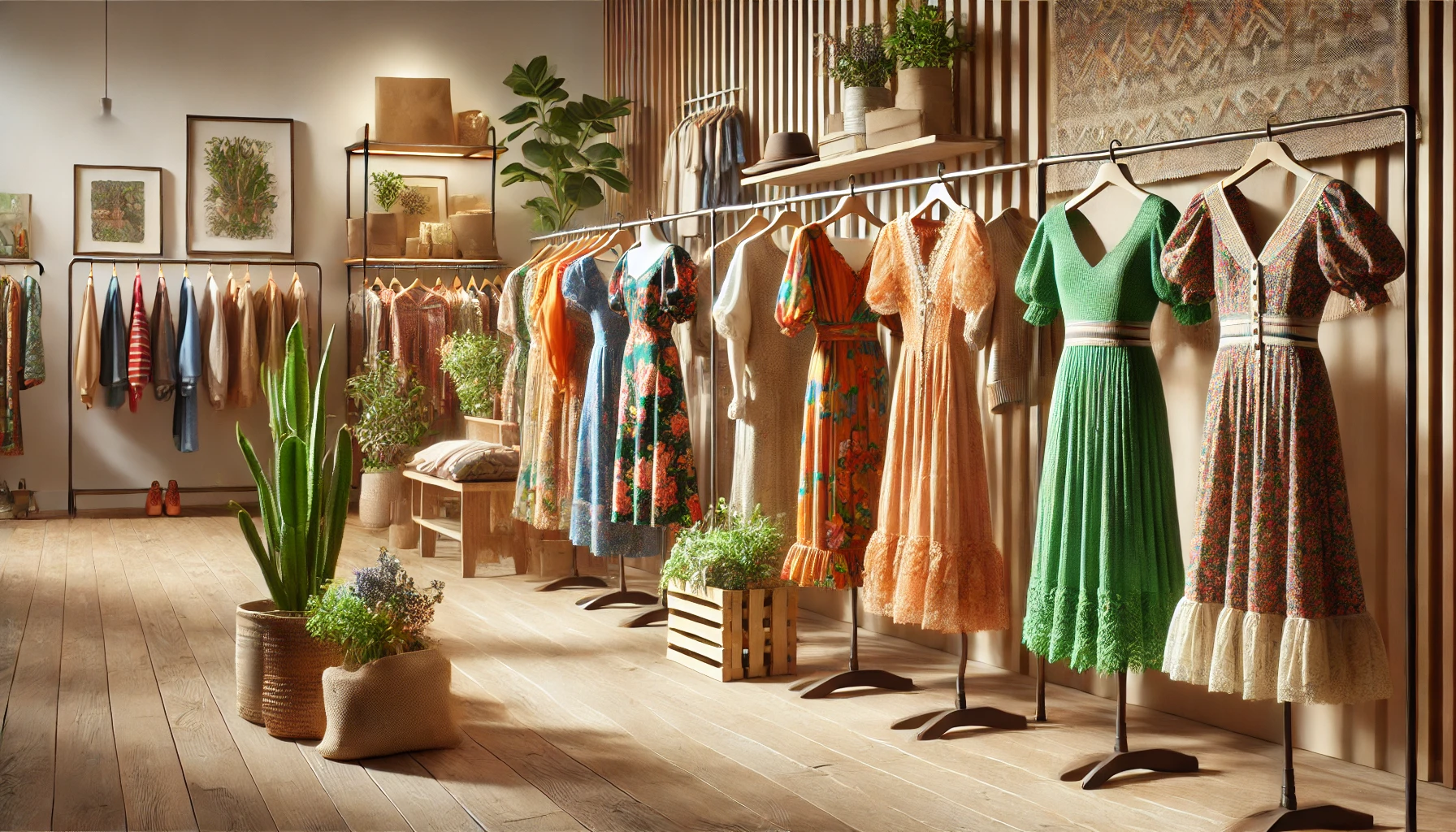
Sustainability Meets Style
In addition to its timeless design and cultural significance, vintage fashion remains popular because it offers a perfect marriage of sustainability and style. Consumers no longer have to choose between looking good and making responsible choices—vintage clothing allows them to do both. By choosing vintage, individuals can enjoy unique, high-quality garments while reducing their environmental footprint and supporting more ethical fashion practices.
As awareness of sustainability continues to grow, vintage clothing will likely play an even larger role in the fashion industry. Its appeal is not only rooted in its eco-friendliness but also in its ability to offer something special—an authentic, personalized approach to fashion that is not easily replicated by modern mass production. Vintage fashion is a celebration of the past, but it is also a forward-thinking approach to style, one that encourages consumers to buy less, choose well, and invest in pieces that will last.
Conclusion: Vintage Fashion’s Lasting Legacy
Vintage clothing's popularity is more than just a passing trend—it’s a reflection of a broader cultural shift towards sustainability, individuality, and timeless style. By choosing vintage, consumers are participating in the circular fashion movement, reducing waste, and embracing a more eco-friendly approach to fashion. At the same time, vintage clothing offers unique design elements and craftsmanship that have stood the test of time, allowing wearers to express their creativity and personal taste.
As fashion cycles continue to evolve, vintage styles will always find their way back into the mainstream, proving that true style is ageless. The cultural influence of vintage fashion, from media to music, ensures that these pieces remain relevant and desirable across generations. Whether you’re drawn to vintage fashion for its sustainability or its unique charm, one thing is clear: vintage clothing will continue to play a vital role in shaping the future of fashion.
At French Vintage, we celebrate the beauty, history, and sustainability of vintage clothing. By curating a collection that combines elegance and eco-consciousness, we invite you to explore the world of vintage fashion and discover timeless pieces that resonate with your personal style.